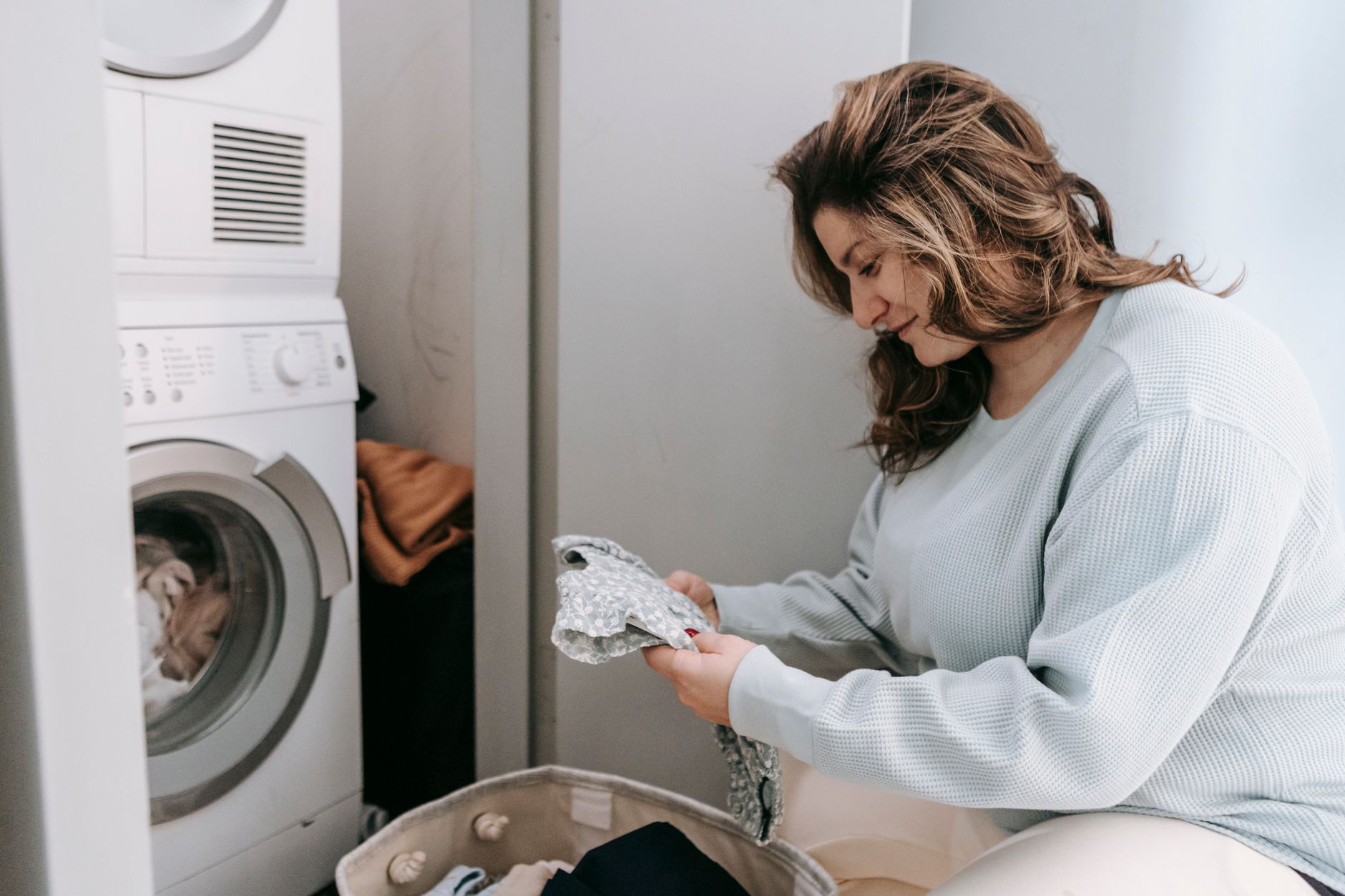
Washing machine rental suits households that want to avoid a large one-off expense, or that only need an appliance for a limited time (temporary housing, relocation, a short-term flat share). The principle is simple: a monthly rent replaces the purchase, usually including delivery, installation and after-sales service. This guide covers how it works, the real cost over time, and the providers offering this service in France.
Total cost: renting versus buying a washing machine
According to a calculation published by Selectra on 3 September 2026, for a 7-8 kg front-load washing machine rented with no deposit at 20 euros a month, compared with an equivalent new model at 450 euros and a refurbished model at 250 euros:
| Duration | Rental | New purchase | Refurbished purchase |
|---|---|---|---|
| 1 year | €240 | €450 | €250 |
| 2 years | €480 | €450 | €250 |
| 3 years | €720 | €450 | €250 |
| 5 years | €1,200 | €600 | €400 |
| 10 years | €2,400 | €600 | €400 |
In this example, the cost of renting overtakes the cost of buying new from month 23, and the cost of buying refurbished from month 13. Over ten years, the gap reaches 1,800 euros against new and 2,000 euros against refurbished, assuming equivalent routine maintenance. These amounts vary with the model, capacity and provider: they illustrate an order of magnitude, not a guaranteed rate, and an up-to-date quote remains necessary before committing.
How washing machine rental works
The mechanism relies on a straightforward rental contract, with no mandatory buyout, distinct from a lease-purchase (hire-purchase) arrangement in consumer finance. The monthly rent usually covers:
- Use of the appliance for the length of the contract.
- Delivery and installation at home.
- Routine maintenance and call-outs in case of breakdown, depending on the provider.
- In some cases, replacement of the appliance in the event of a major failure.
Contract length varies between providers: some offer short formulas (from a few months), others require a minimum commitment of 12 or 24 months. Ending the contract early usually incurs fees, whose amount should be checked in the terms and conditions before signing.
Renting or buying: which option by profile
A temporary or uncertain need
For a work relocation, a short-term flat share or a furnished home while waiting to move, renting avoids investing in an appliance that will only be used for a few months. The rent stays predictable, with no capital tied up.
A budget that needs to stay level
A household that prefers to avoid a one-off expense of several hundred euros can favor renting, at the cost of a higher total spend over time. It is a trade-off between immediate cash flow and cumulative cost.
Equipment meant to last
For a stable household planning to stay in its home for several years, buying a new or refurbished washing machine generally remains more economical over time than an extended rental. The guide on choosing between refurbished or new covers this trade-off for major appliances as a whole.
Occasional use
For very occasional needs, the neighbourhood launderette remains a commitment-free option, billed per use, without the delivery or installation constraints of a personal washing machine.
Providers offering washing machine rental
Several national chains and specialized players offer this service in France, each with its own rent, contract length and buyout terms:
- General appliance retailers: several major appliance retailers offer a rental option alongside standard sales, with delivery and installation included and a wide choice of models available in store or online.
- Platforms specialized in equipment rental: these players focus on long-term rental of appliances (washing machines, refrigerators, dishwashers), with formulas that often include after-sales service for the full contract term.
- Peer-to-peer rental sites: a more informal alternative, for a second-hand appliance rented directly from its owner, on terms that vary case by case and without a standardized contractual guarantee.
Each offer is worth comparing on the detail of the rent, the minimum contract length, delivery fees and whether a buyout option exists at the end of the contract.
Maintenance and after-sales service included
One argument in favor of renting is that maintenance is covered: in case of breakdown, the provider usually steps in at no extra cost for the full length of the contract, and replaces the appliance if repair is not possible. This sets renting apart from buying, where breakdowns after the warranty period are the owner’s responsibility.
This argument carries more weight given that the real usage span of washing machines has shortened: according to a study by the association Halte à l’obsolescence programmée (HOP) conducted with refurbishment specialist Murfy, reported by Futura on 31 July 2020, the average usage span of a washing machine fell from 10 years in 2010 to 7 years in 2018, a drop of more than 30%. Regular upkeep of the appliance, rented or bought, limits this risk of early breakdown.
For a purchased appliance, a few simple habits extend its lifespan: regularly cleaning the drain filter, descaling in hard-water areas, and checking the door seal. The guide on washing machine maintenance covers these habits, useful for a rented appliance as much as a purchased one.
Buyout option at the end of the contract
Some rental offers include a buyout option: at the end of the contract, the tenant can buy the appliance at a reduced price that takes into account the rent already paid. This option is not systematic and its terms vary widely: buyout amount, condition of the appliance (sometimes replaced with a refurbished model at the end of the term), and the time window to exercise the option. Before signing, it is advisable to ask for the written detail of this clause, rather than relying on a general mention in the offer’s advertising.
For a household torn between a rent-to-own offer and buying a refurbished washing machine directly, comparing the total cost over the intended period (cumulative rent or buyout, versus purchase price and warranty) helps decide according to one’s own time horizon.
Frequently asked questions
How does washing machine rental work?
The customer pays a fixed monthly rent that includes the appliance, delivery, installation and usually maintenance or after-sales service. The contract length varies between providers, from a few months to several years, sometimes with a buyout option at the end.
Is renting a washing machine more expensive than buying one?
Over the full term of a long rental contract (24 months or more), the total rent paid often exceeds the purchase price of an equivalent new or refurbished appliance. Renting stays worthwhile for a temporary need or a budget that must stay level, not for equipment meant to last.
Can you buy the washing machine at the end of the rental?
Several providers offer a buyout option at the end of the contract, at a reduced price that takes into account the rent already paid. This option is not systematic and its terms (amount, whether the appliance is new or not) vary widely between offers: they should be checked before signing.
What is an alternative to renting on a tight budget?
A refurbished washing machine, bought outright or in installments, generally costs less over time than renting, while belonging to the household from the moment of purchase. A launderette remains a one-off option, with no commitment, for occasional use or temporary housing.